How to Tell if a Tree Is Dying:

Structural and Biological Warning Signs

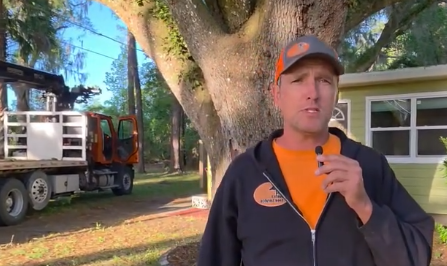
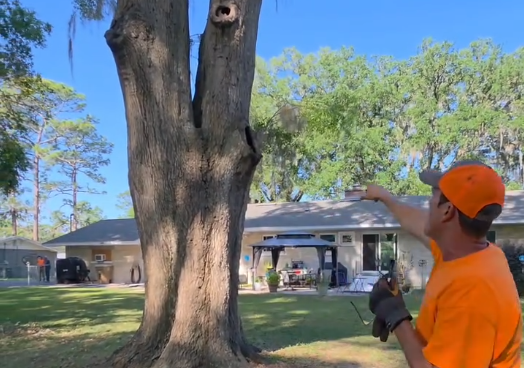
Dusty shows us what a V shaped union looks like and why its hurtful to your trees

If you’re looking at a tree in your yard and wondering, “Is it just struggling, or is it actually dying?” you aren’t alone. Many homeowners wait until a tree drops a limb or leans dangerously before they ask for help. However, trees often give subtle warning signs long before they become a full-scale hazard.

In this guide, we’ll break down exactly how to tell if a tree is dying, focusing on both the biological symptoms and the hidden structural defects that require a professional arborist’s eye.

Biological Symptoms of a Declining Tree

Usually, the first thing a homeowner notices is a decline in the tree’s overall health. If your tree is showing these signs, its internal systems are under stress:

Branch

Advanced Canopy Dieback

While some minor twig death is normal, look at the top and outer edges of the canopy. If large sections are bare while the rest of the tree is leafed out, the tree is struggling to transport water and nutrients.

Wood_2

Fungal Activity

ushrooms, conks, or shelf fungi growing directly on the trunk or at the root flare are major red flags. This almost always indicates that the tree is battling advanced internal heart rot or root decay.

Brittle, Dry Branches

If you can snap a smaller branch and the inside is dry, brown, or brittle—rather than green and flexible—that section of the tree is no longer alive.

Structural Warning Signs: Is the Tree Dangerous?

Even if a tree looks “green,” it can still be a liability. Once you’ve checked the biological health, take a closer look at the tree’s architecture for these two critical structural defects:

INCLUDED BARK

The "V-Shape" Inclusion

Look at where the main branches meet the trunk or each other. If they meet in a tight V-shape rather than a U-shape, look for a crack or a vertical line of dead, folded-in bark. This is called “included bark.” Because the tree is growing bark into the junction instead of solid wood, the connection is fundamentally weak.

Over time, that V-shape acts as a wedge that can split the tree open under stress.

CODIT Failure

Failure to Seal

Trees don’t “heal” like human skin; they seal wounds through a process called CODIT (Compartmentalization of Decay in Trees). A healthy tree builds internal barriers to wall off decay after a branch breaks or is pruned.

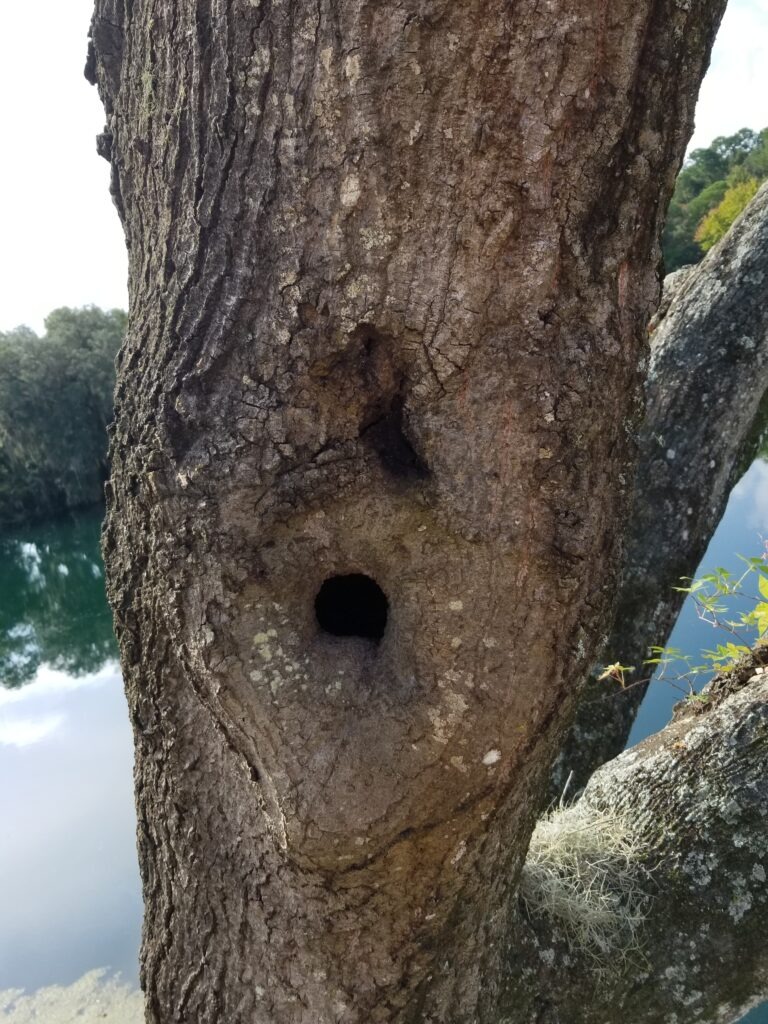
Trees seal they don't heal - how to tell if a tree is dying

What To Look For:

Examine old pruning cuts or broken branch stubs. If you see deep, dark cavities, or areas where the wood looks hollowed-out rather than creating a smooth, closed scar, the tree is failing to seal. If it can't seal, the decay is likely moving deeper into the structural heartwood of the tree.
When to Call a Professional

If you’ve spotted any of the signs above, don’t wait for a storm to make the decision for you. Some trees can be managed with restorative care or cabling, but others represent a structural risk that can only be mitigated by professional removal.

We provide expert risk assessments

We don't just look at the leaves; we examine the structural integrity of your trees to give you an honest, professional diagnosis.